DOW-UAP-PR126, Unresolved UAP Report, Pacific Ocean, 2019
▮ AI SYNOPSIS · Sonnet 4.6
DOW-UAP-PR126 is a 2-minute, 32-second hand-held video recorded by a U.S. military service member over the Pacific Ocean in 2019. The footage was transferred from the Navy's Unidentified Anomalous Phenomena Task Force (UAPTF) to the All-domain Anomaly Resolution Office (AARO) in 2022 and released publicly on August 7, 2026. Shot in low-light conditions, the video shows multiple apparent light sources being tracked by the camera operator across the frame. No geographic coordinates or vessel/platform identification are provided in the record description.
The document is one of five contemporaneous recordings (DOW-UAP-PR123 through PR127), suggesting a single incident or observation period captured from multiple angles or at sequential moments. Notably, the record explicitly states the media was digitally altered before being reported to AARO and is presented as received, meaning its evidentiary integrity is already compromised. No OCR text is available, and no analytical conclusions are drawn by the releasing agency. The alteration disclosure is the most significant flag for any researcher assessing the footage's reliability.
▮ TOP WORDS IN THIS DOCUMENT
The United States Navy Unidentified Anomalous Phenomena Task Force (UAPTF) transferred this media to the All-domain Anomaly Resolution Office (AARO) in 2022. The video contains 2 minutes and 32 seconds of footage captured via hand-held recording device by a U.S. military service member in 2019. Low-light conditions at the time of capture influence the overall visual quality of the footage. The footage contained within DOW-UAP-PR123 through DOW-UAP-PR127 was captured contemporaneously. This media was digitally altered before being reported to AARO, and is presented as it was received.
Video description:
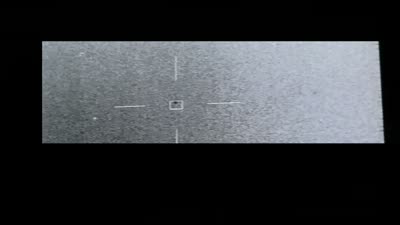
00:00-00:08: The camera pans against the background, bringing two apparent light sources into frame from the top left corner. The recording device focuses on the light sources, keeping them generally within the center of the frame.
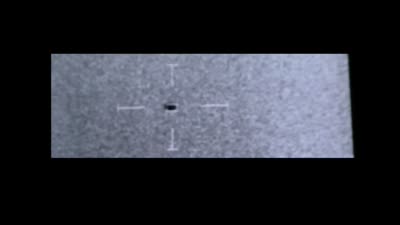
00:09-00:53: The camera pans against the background. As the camera pans, it repeatedly brings several apparent light sources into and out of the frame.
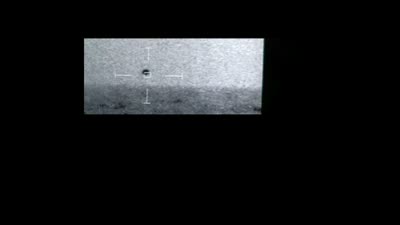
00:54-01:23: The sensor zooms in on the light source in the lower left quarter of the frame, focusing to bring it into the center of the field-of-view.
01:24-02:32: The sensor zooms out and continues to pan to track apparent light sources. As the camera pans, it repeatedly brings several apparent light sources into and out of the frame.
This video description is provided for informational purposes only. Readers should not interpret any part of this description as reflecting an analytical judgment, investigative conclusion, or factual determination regarding the described event’s validity, nature, or significance.